Automatic tool changes
Seamlessly switch between additive and subtractive processes with automatic tool changes.
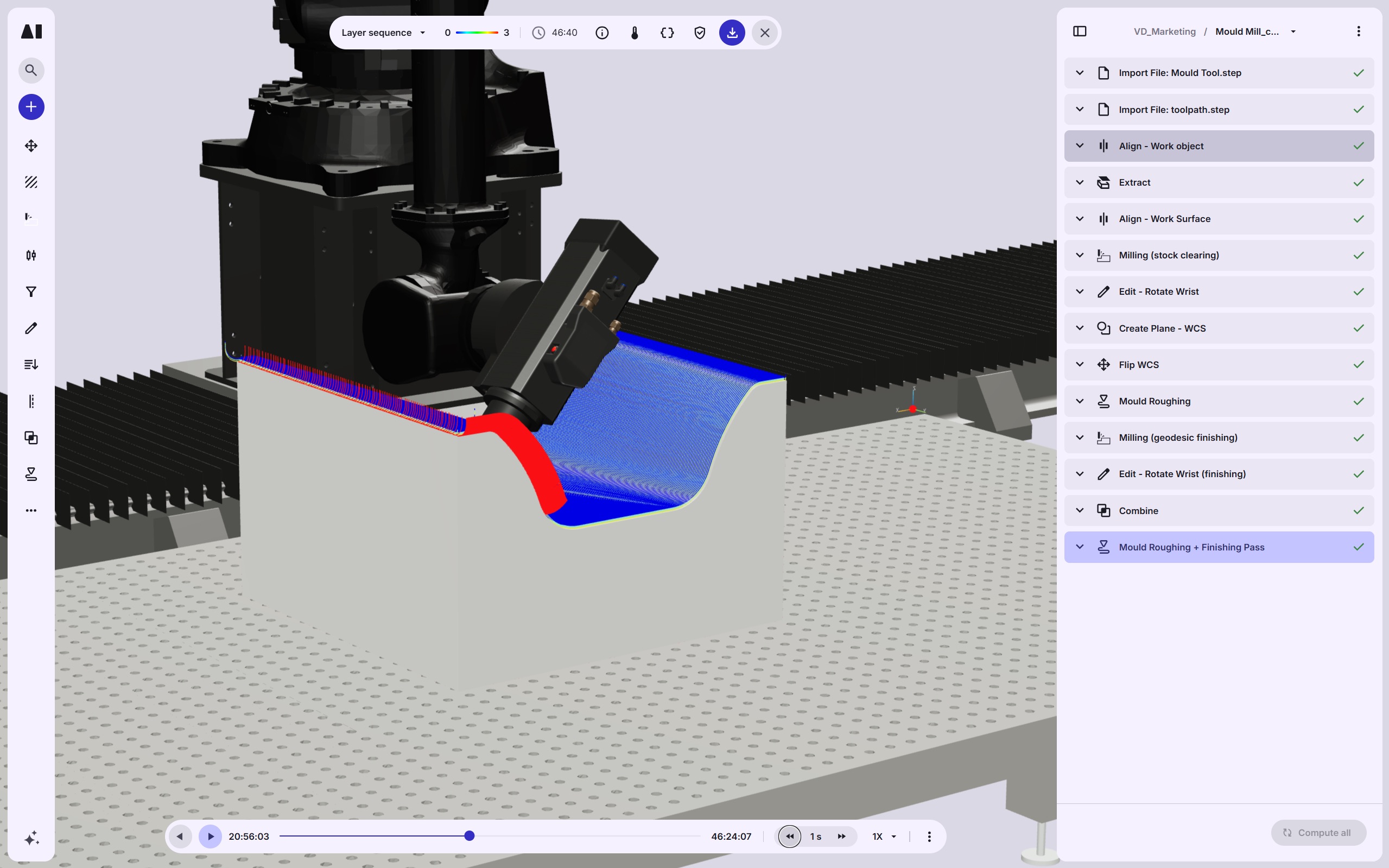
Aibuild CAM includes CNC milling strategies made for 3D printed parts, so one platform switches between additive and subtractive steps with programmable tool changes. It is for manufacturers finishing large printed parts on hybrid cells who want shorter production timelines.
Developed to defragment production workflows by housing both additive and subtractive in one platform.
Seamlessly switch between additive and subtractive processes with automatic tool changes.
Work coordinate systems let you write the machine program relative to a zero point on the part, wherever it’s clamped. Use G54 to G59 for G-code machines, or a base number for robots. Align finds the real part position from three points you touch off on the machine.
Geodesic Finishing keeps the cutter square to the surface as it moves, and checks against the whole part and the cutter’s shape so it doesn’t cut into neighbouring geometry. It works with flat end mills as well as ball end mills.
Linear or arc lead-outs carry the cutter off the surface at the end of each cut. Travel Height lifts every travel move to a safe height above the bed.
Check the tool, the machine or both against the part you’re working on, as a mesh or a STEP model.
See the cutter from your tool library, with its flutes, holder length and ball nose, and every tool change.
Pocket Clearing, Planar Finishing, Geodesic Finishing and 3D Contouring generate their paths from the whole part and the cutter shape, so horizontal faces are cut flush and walls get the clearance they need.
A built-in CEAD Flexbot post-processor, and custom post-processors for other machines. Spindle speed is set in RPM on each line.
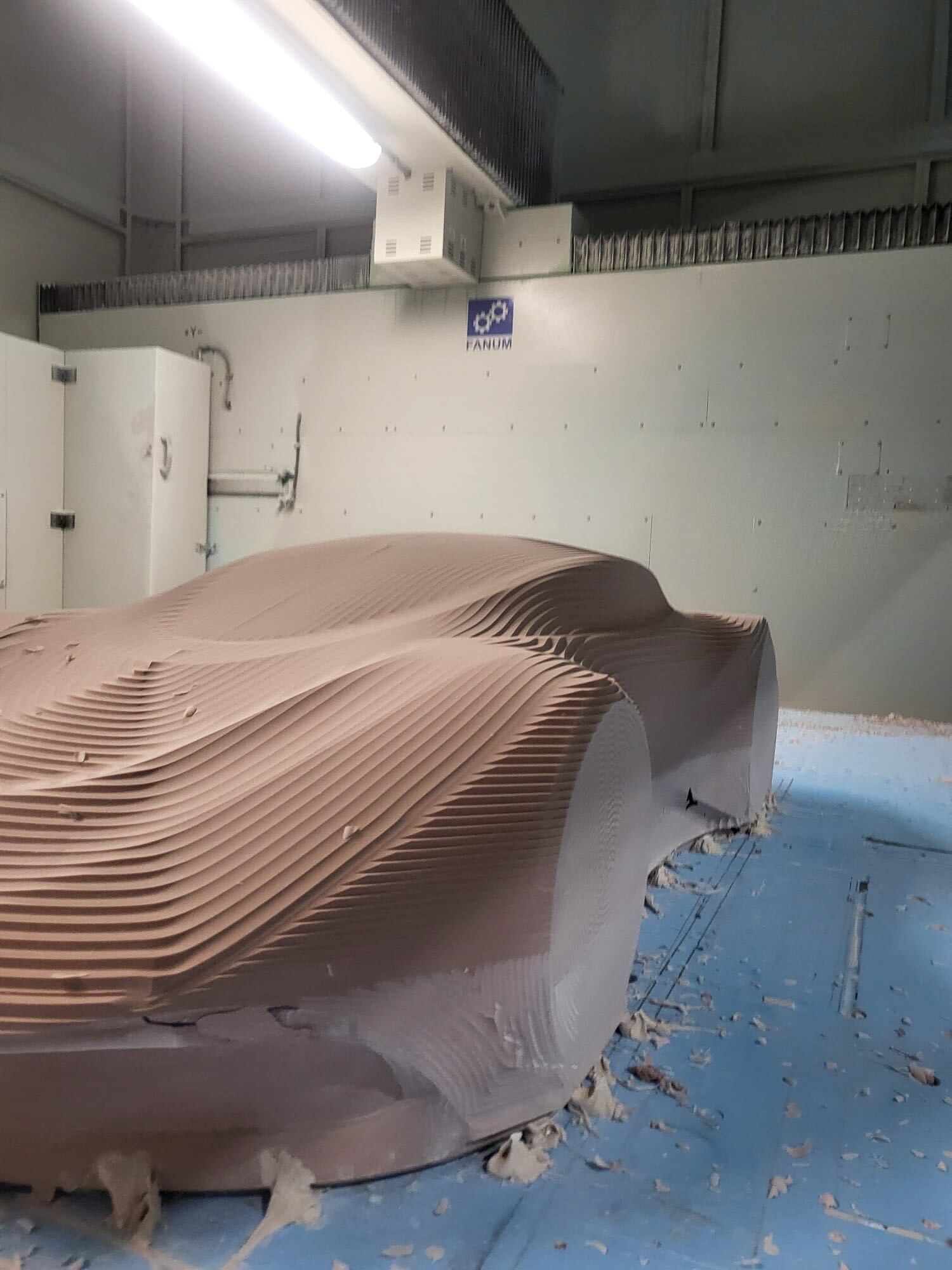
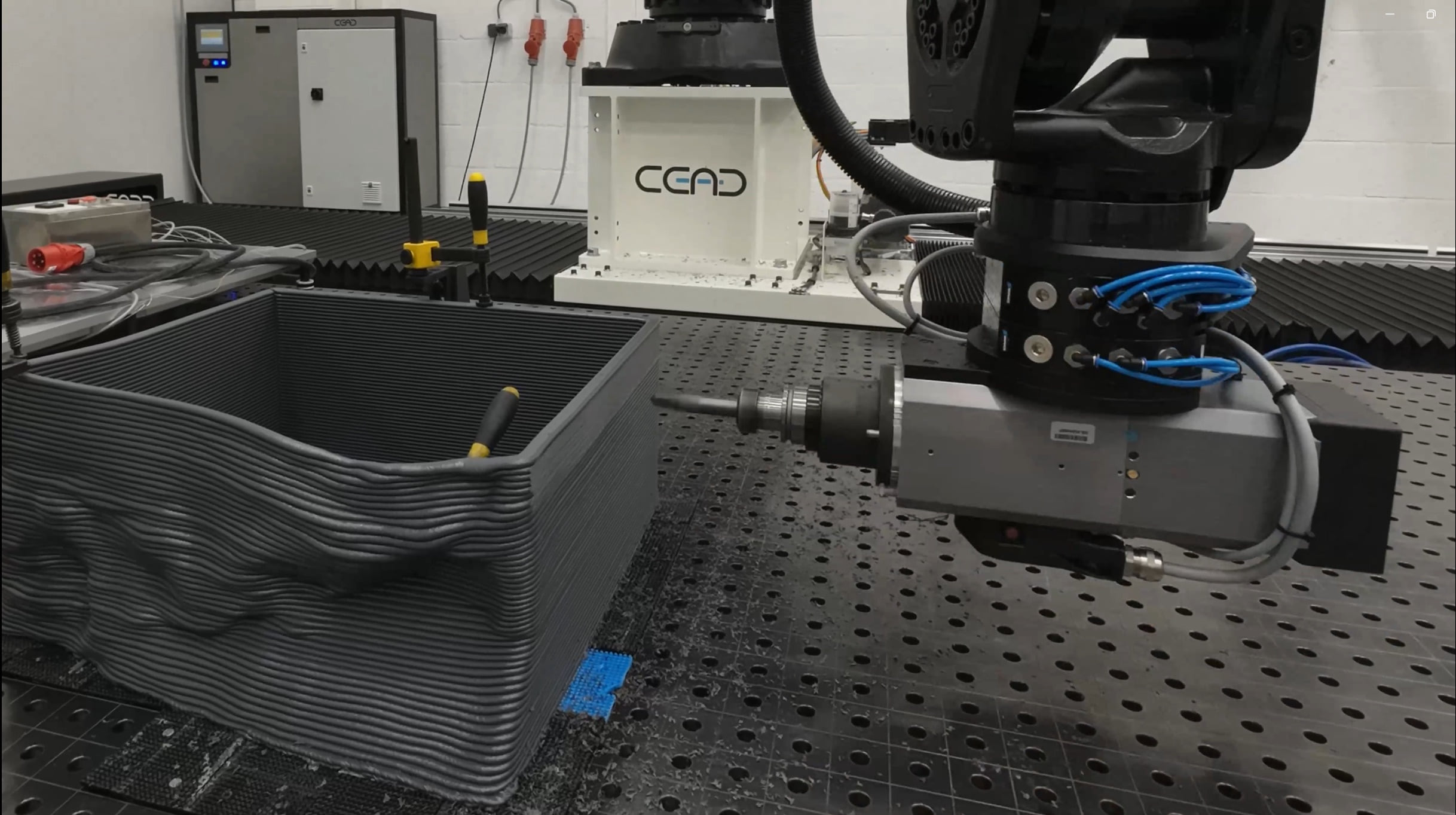
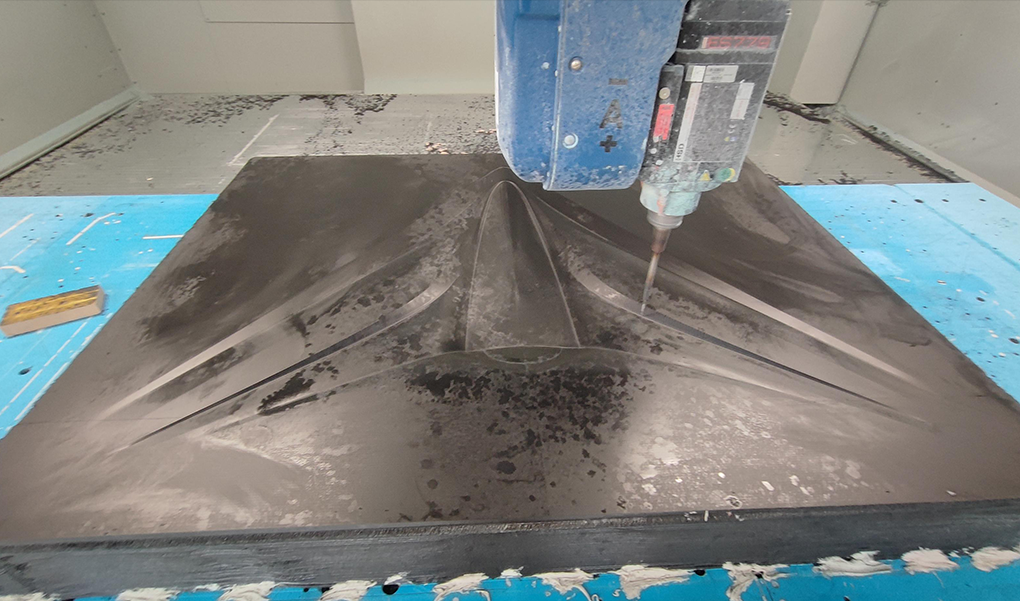
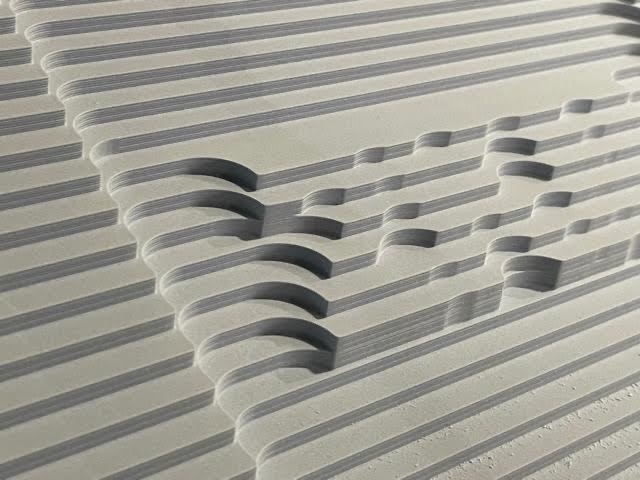
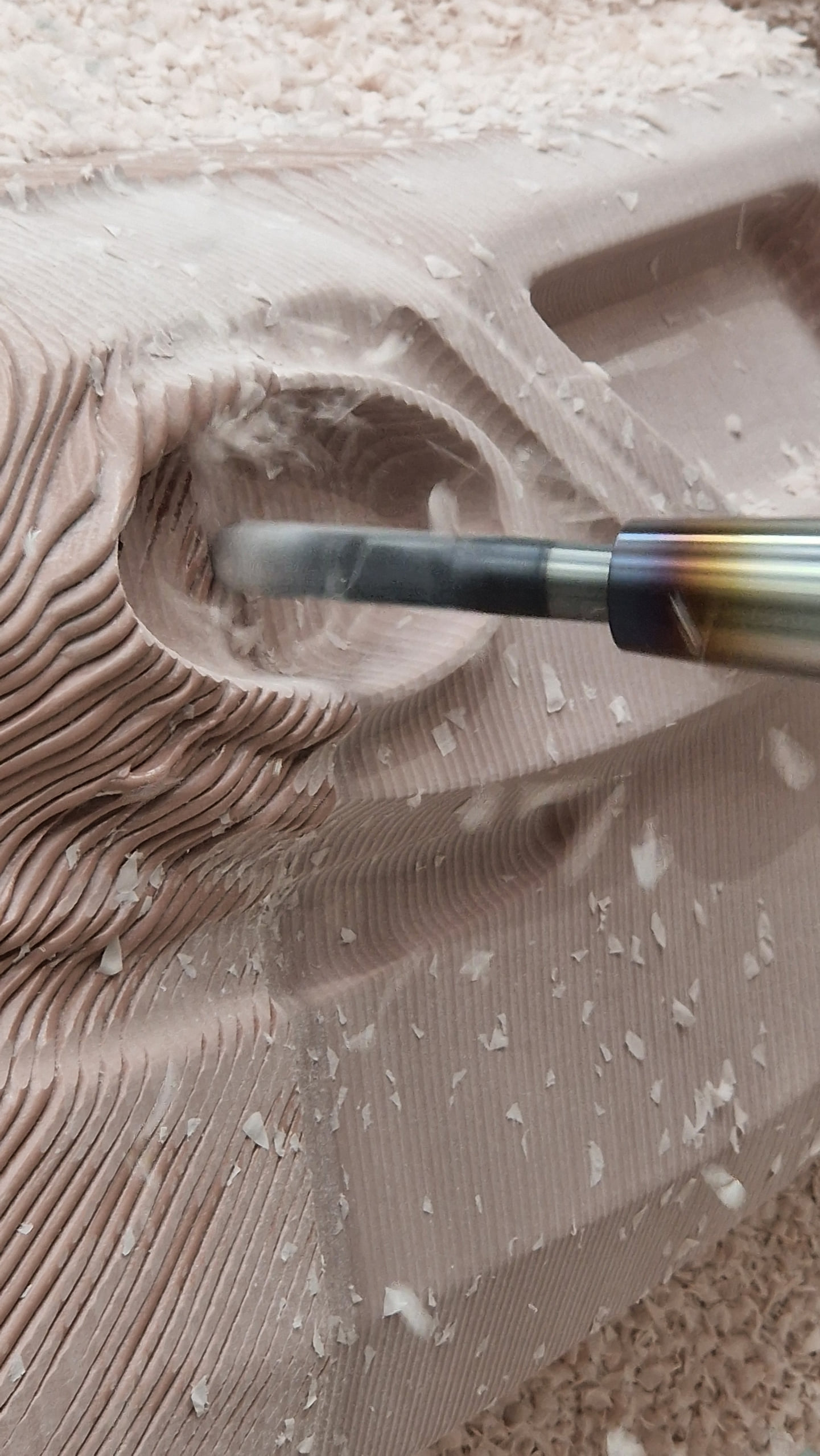
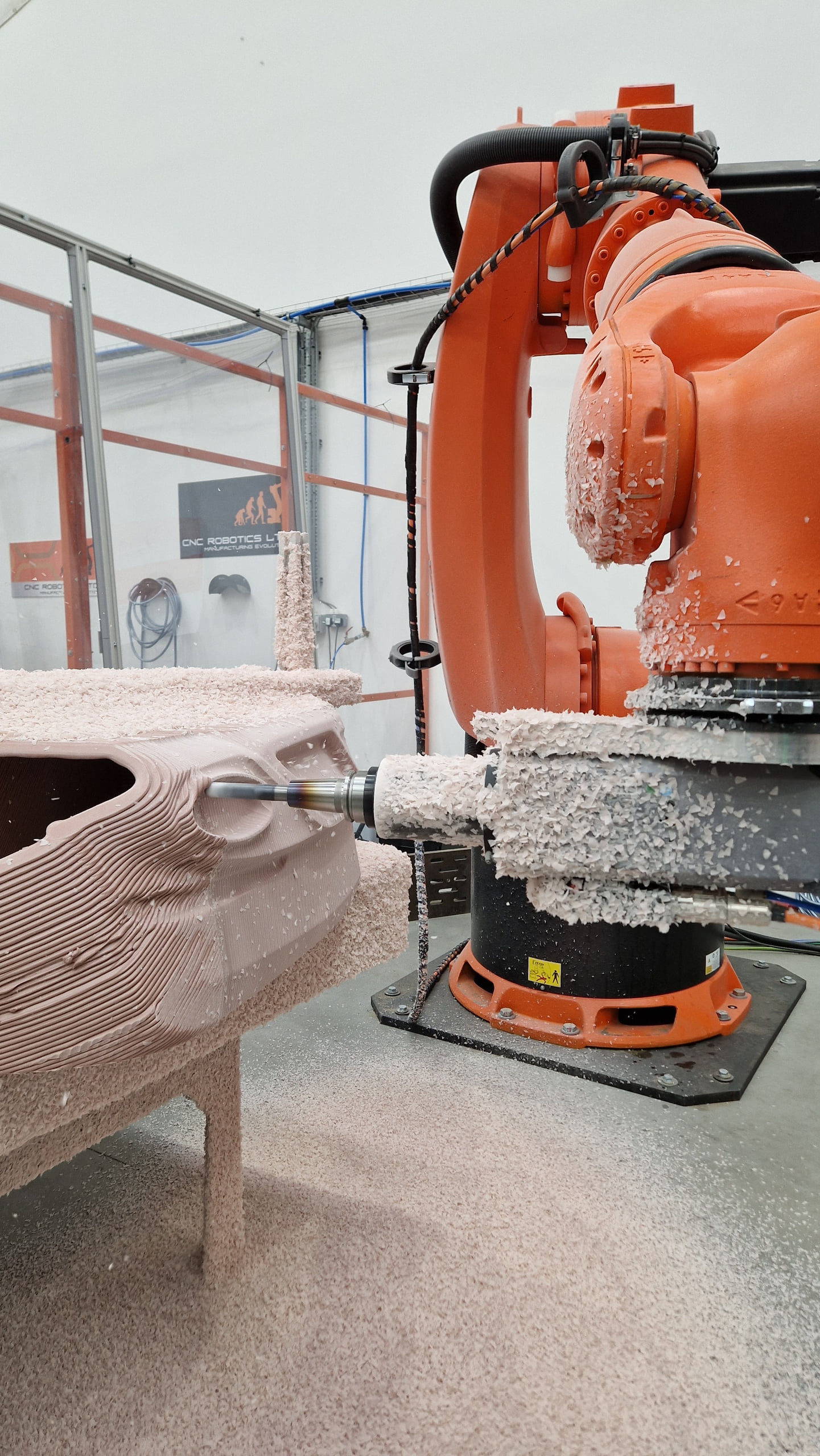
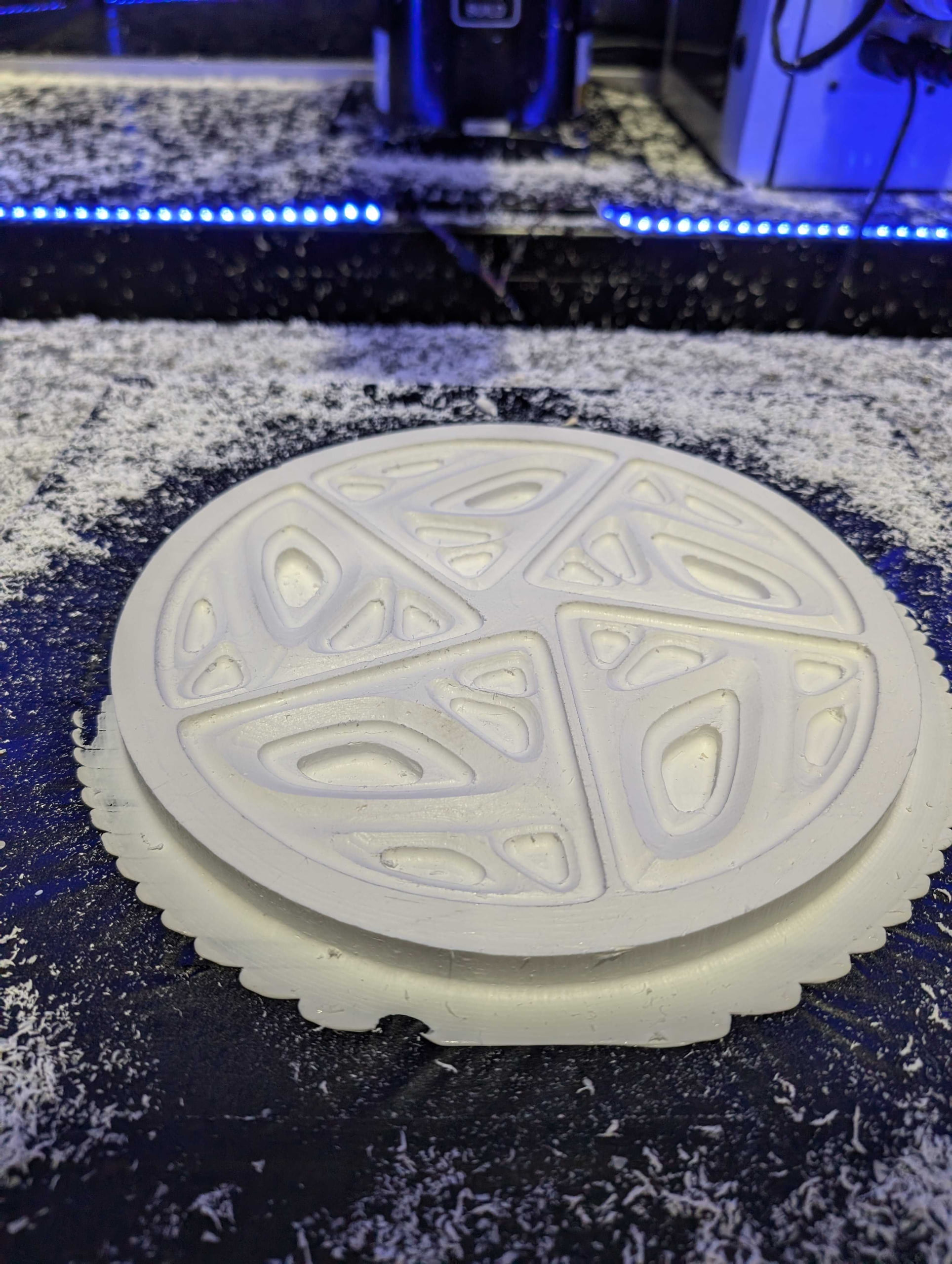
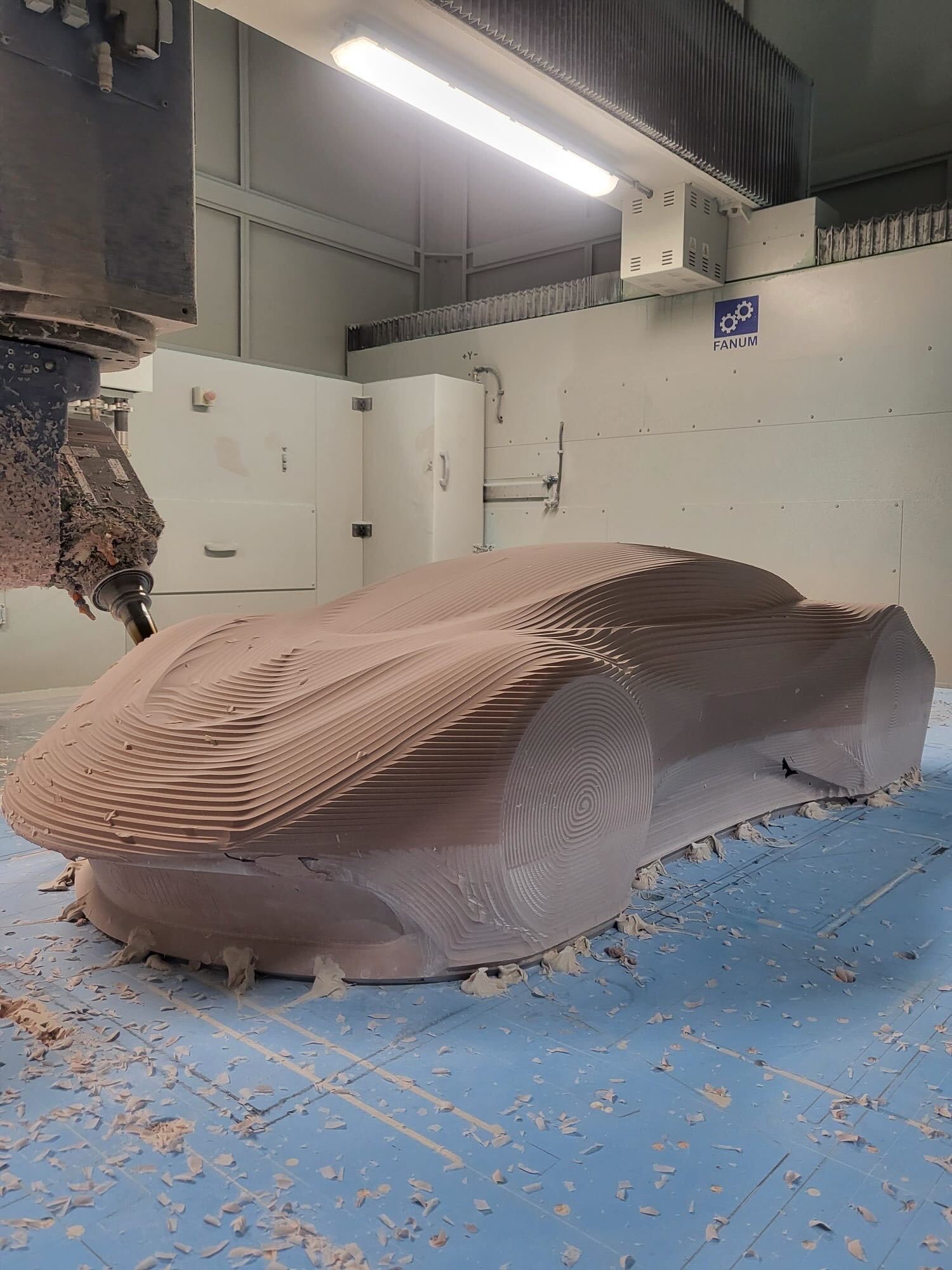
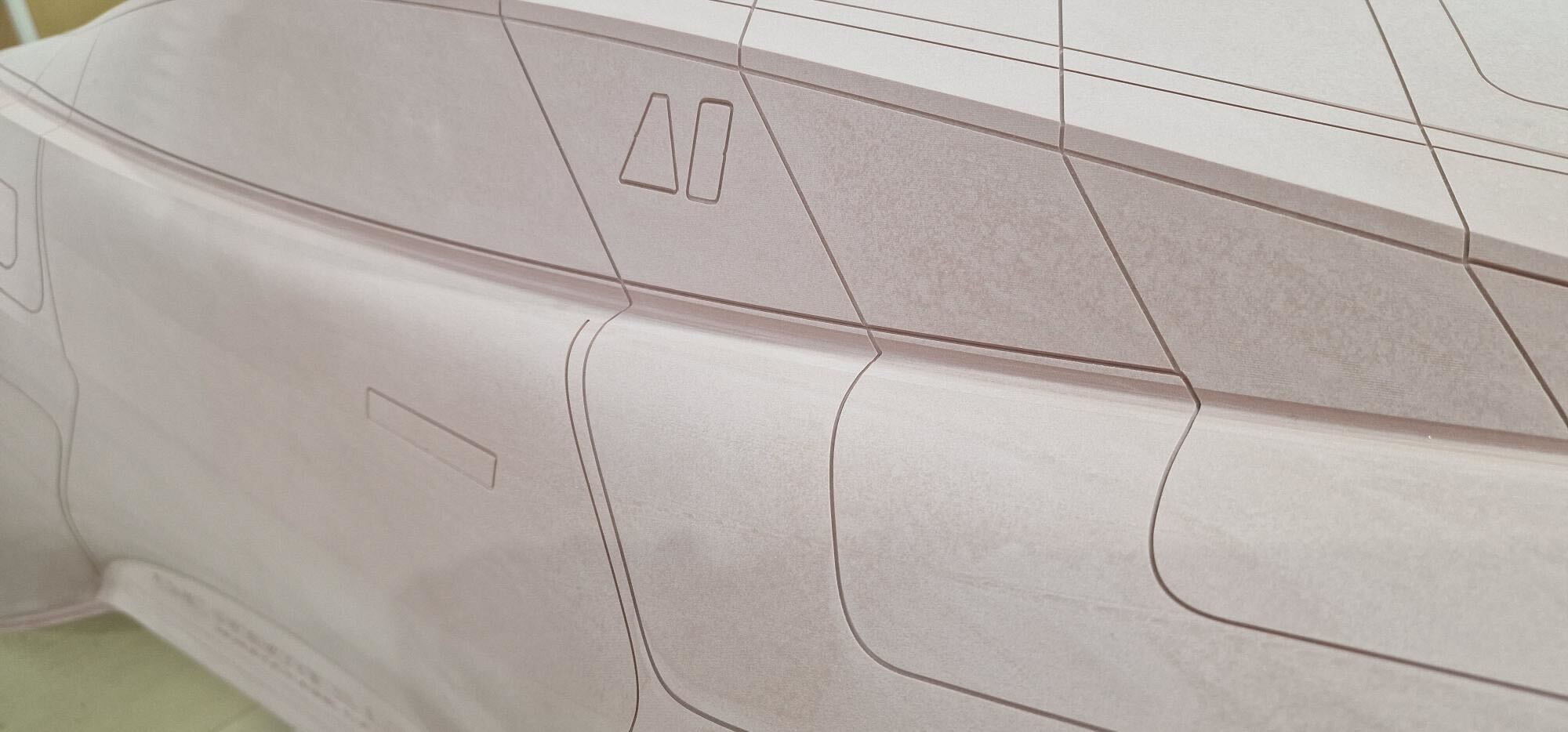
Visualise toolpaths, program milling and drilling operations, manage stock clearance, and control tool angles for efficient material use, superior surface finishes, and faster production.
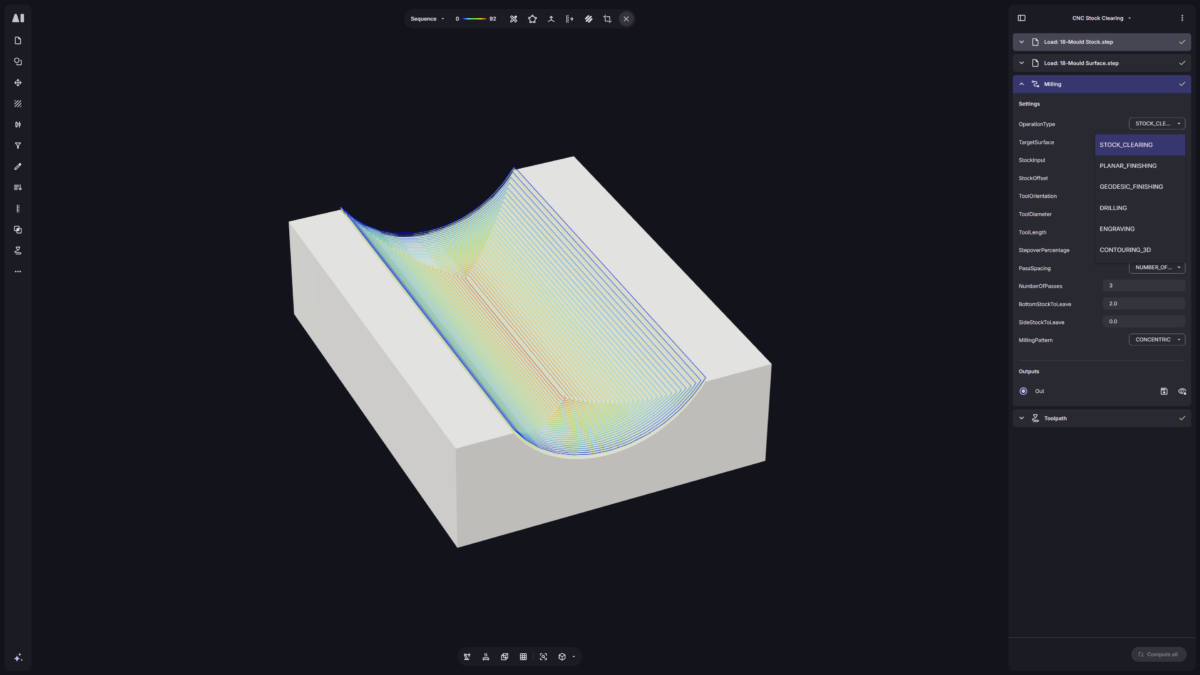
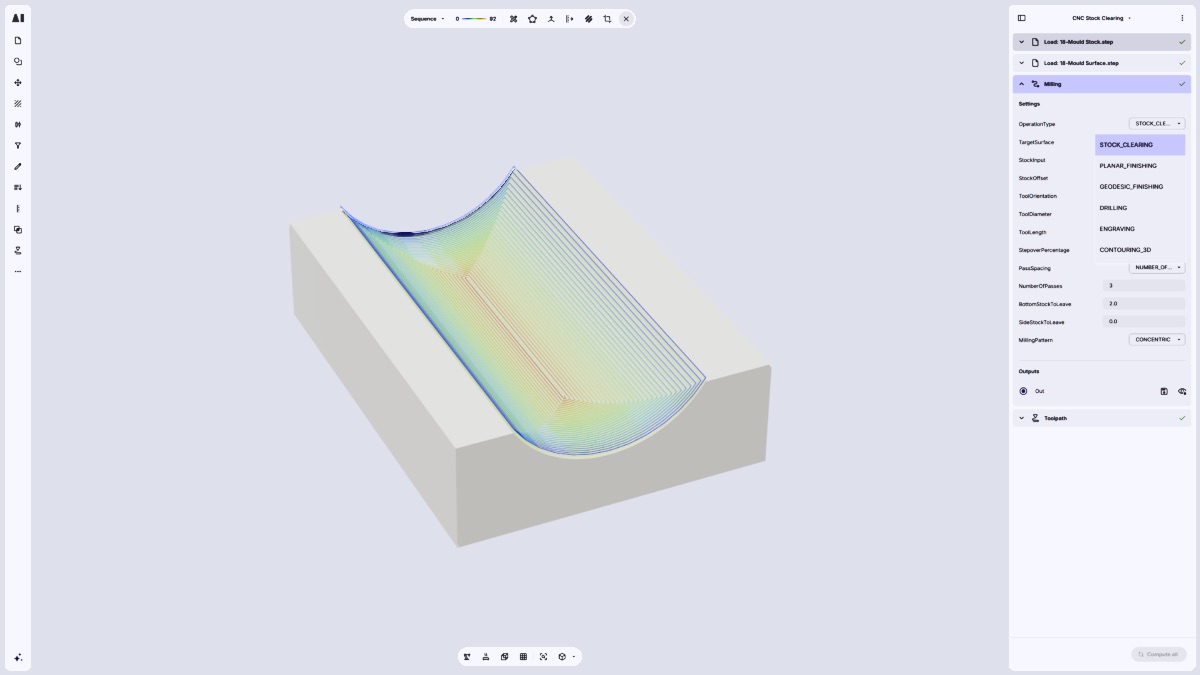
A roughing or semi-finishing operation used to remove large amounts of stock material, leaving a defined amount of material for finishing operations.
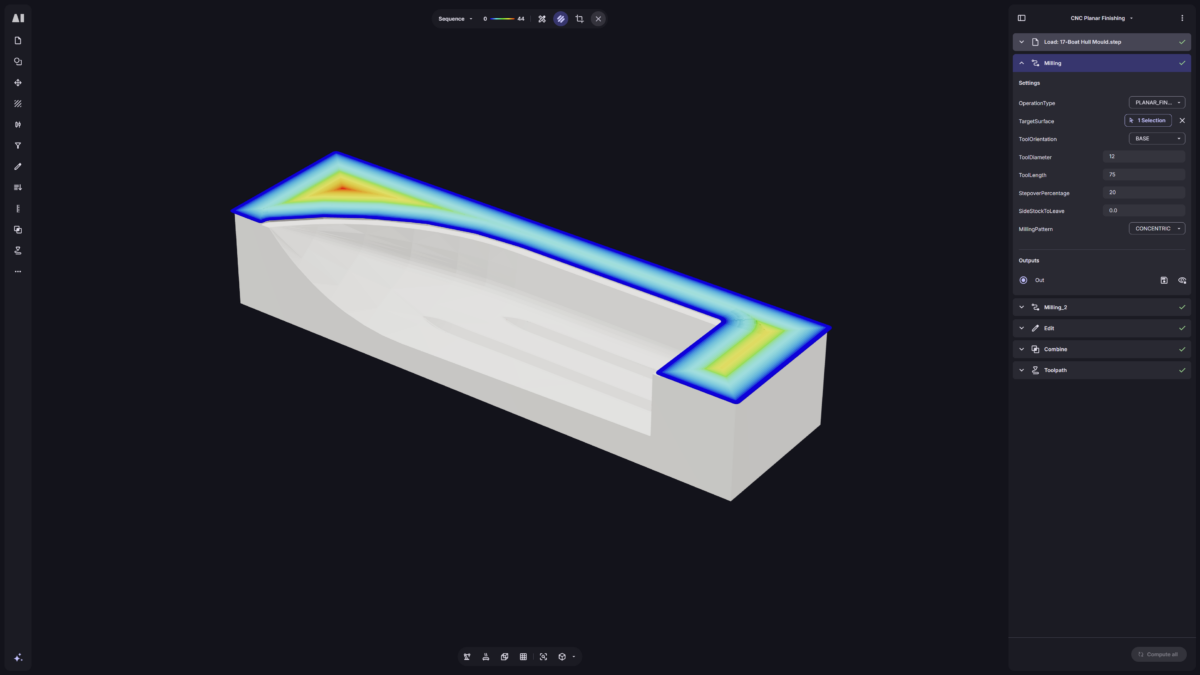
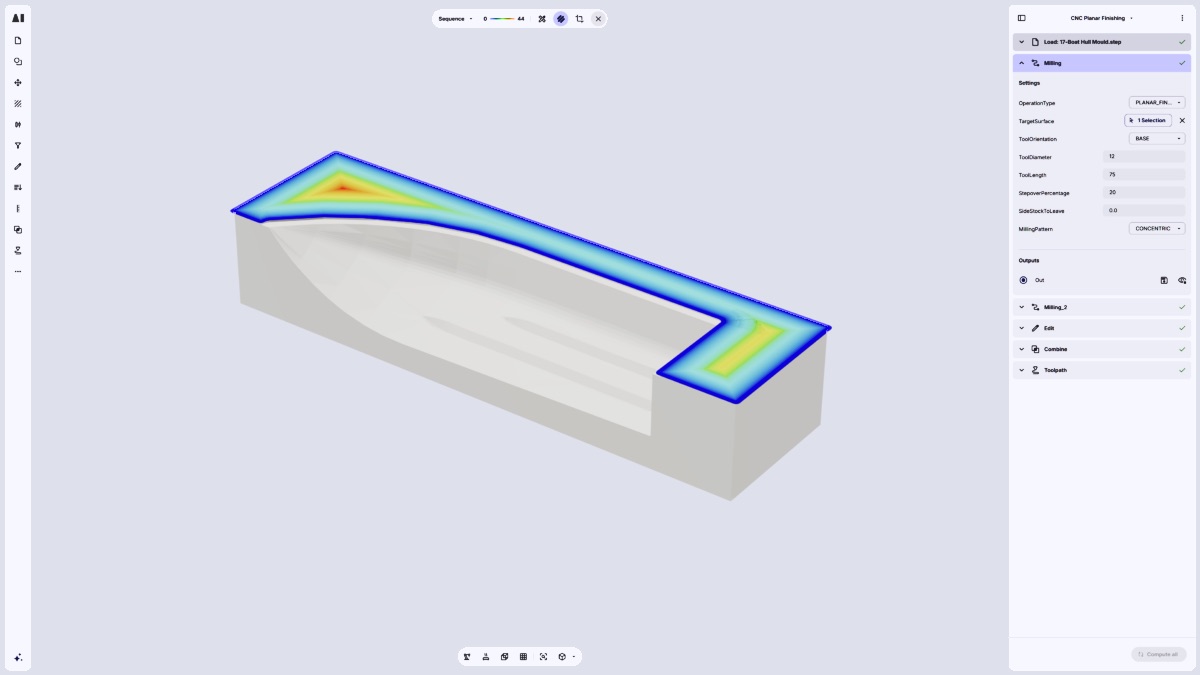
A finishing operation for creating a high quality surface finish on flat or gently contoured regions.
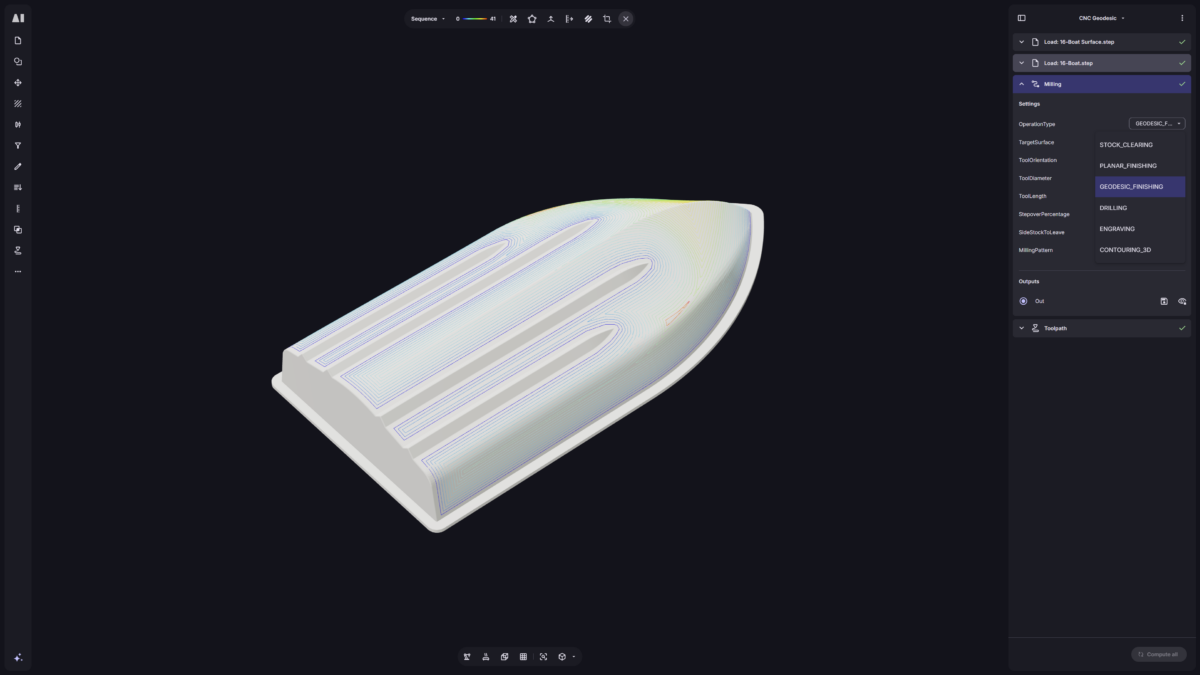
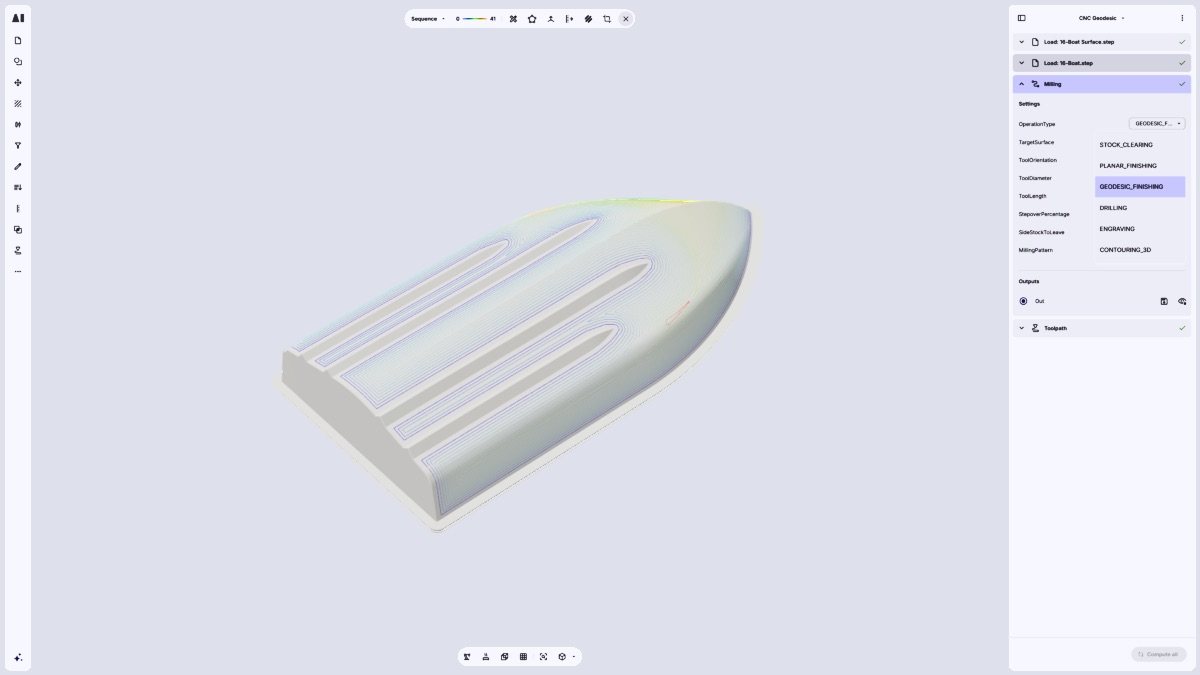
A finishing operation for nonplanar surfaces to achieve uniform, high-quality finishes on complex geometries by maintaining consistent stepover.
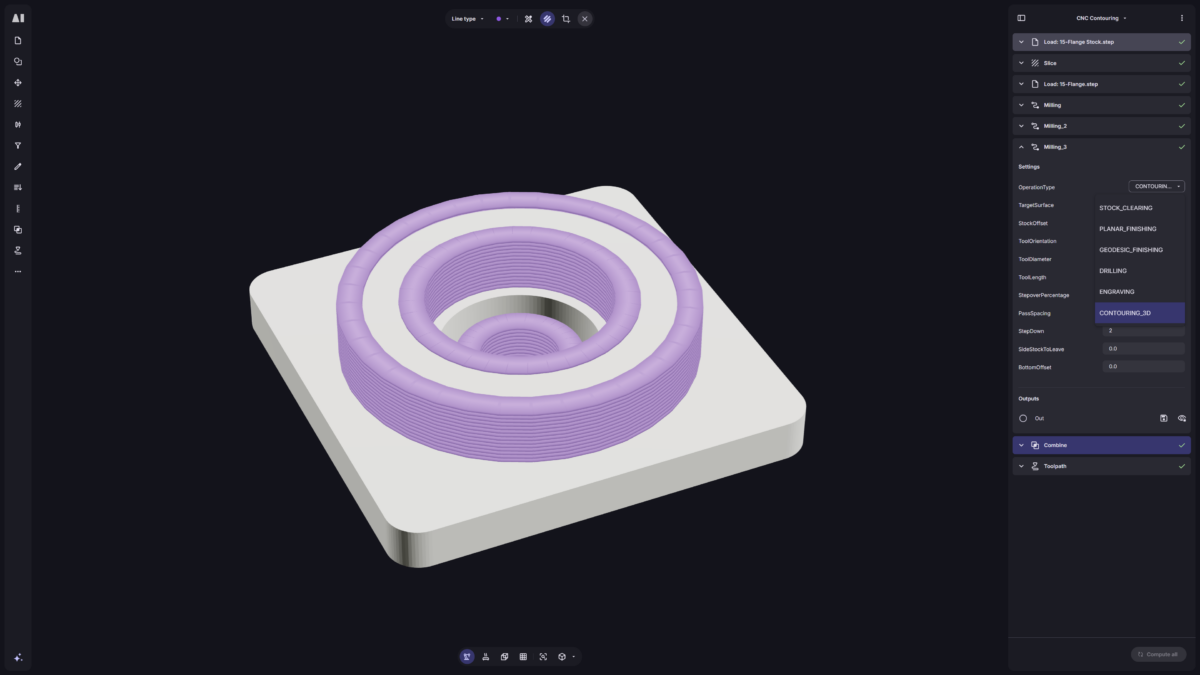
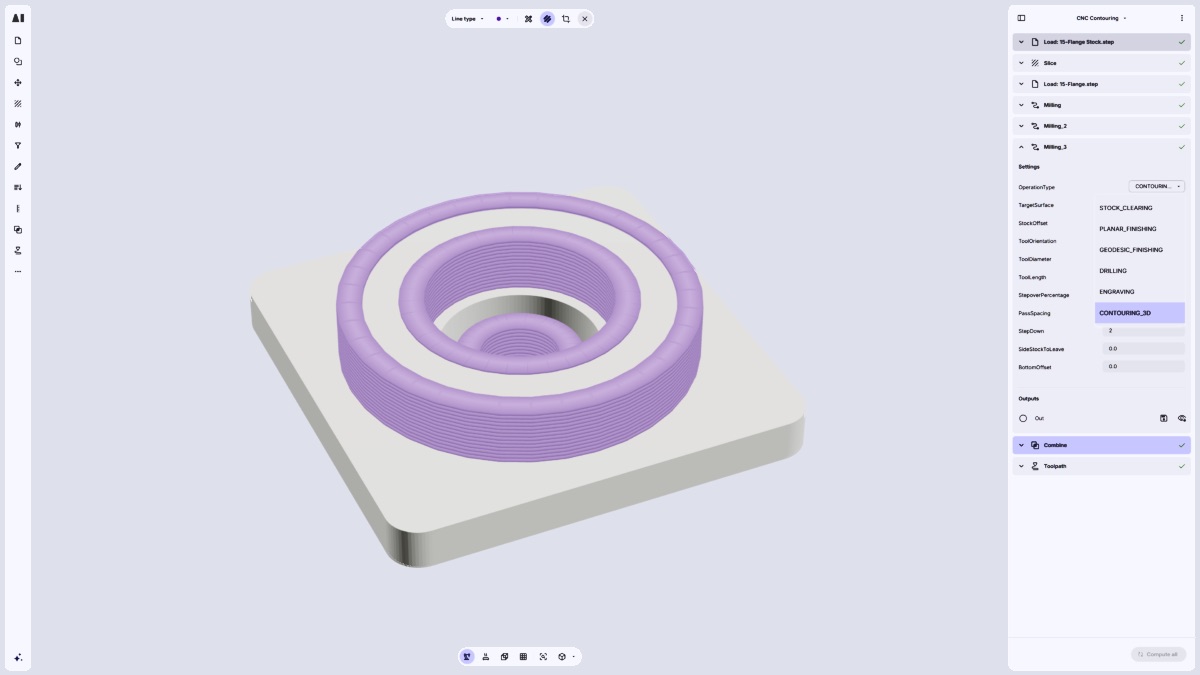
A finishing or semi-finishing operation used to machine the perimeter or outline of a part, either externally or within pockets and typically for steep or vertical walls.
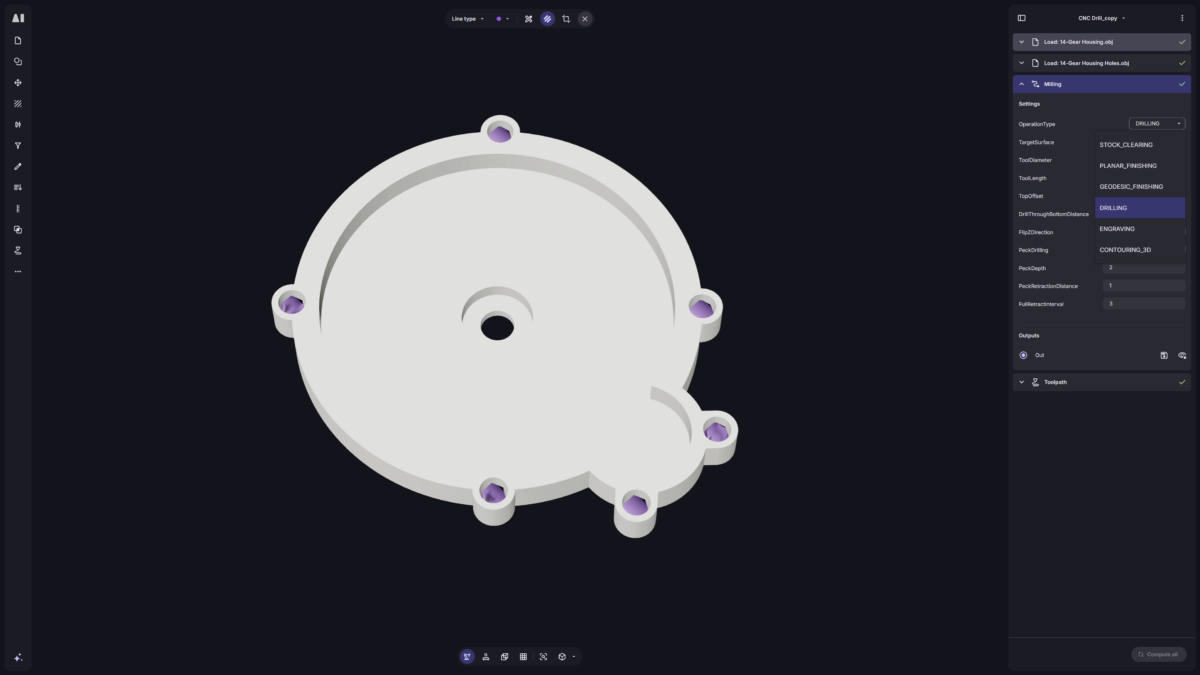
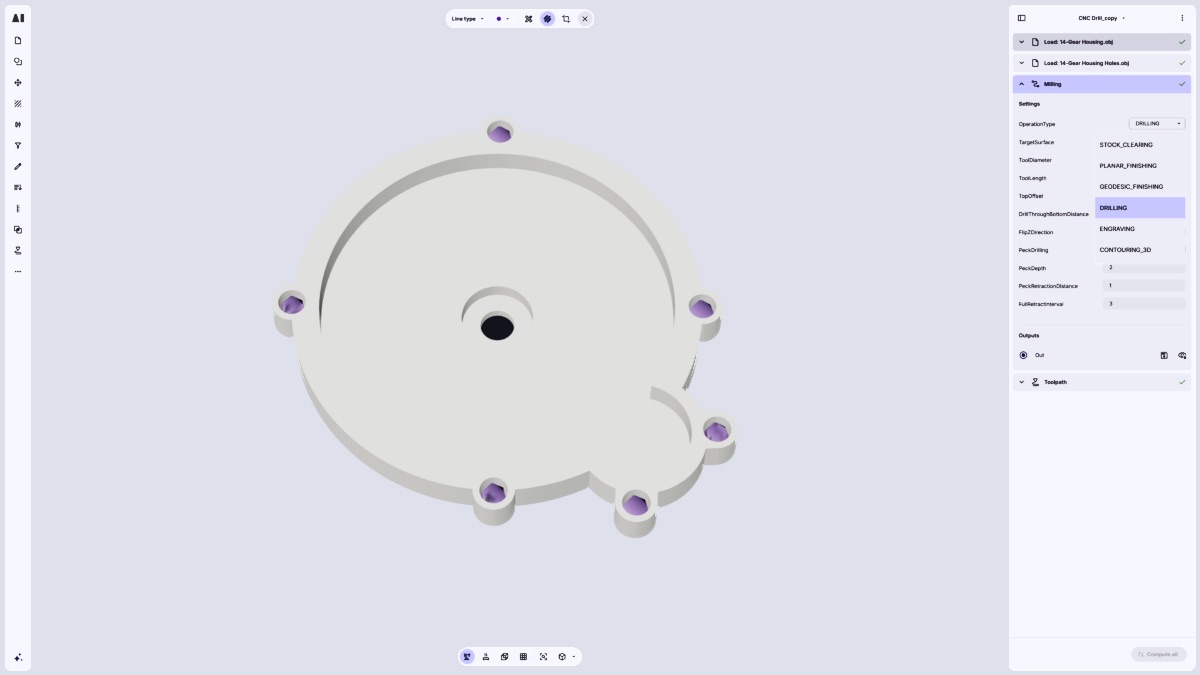
Hole making operation.
By merging 3D printing with CNC machining in one software, manufacturers can accelerate production while improving material efficiency and production time, leading to cost savings, improved lead times and supports the drive toward more sustainable manufacturing practices.
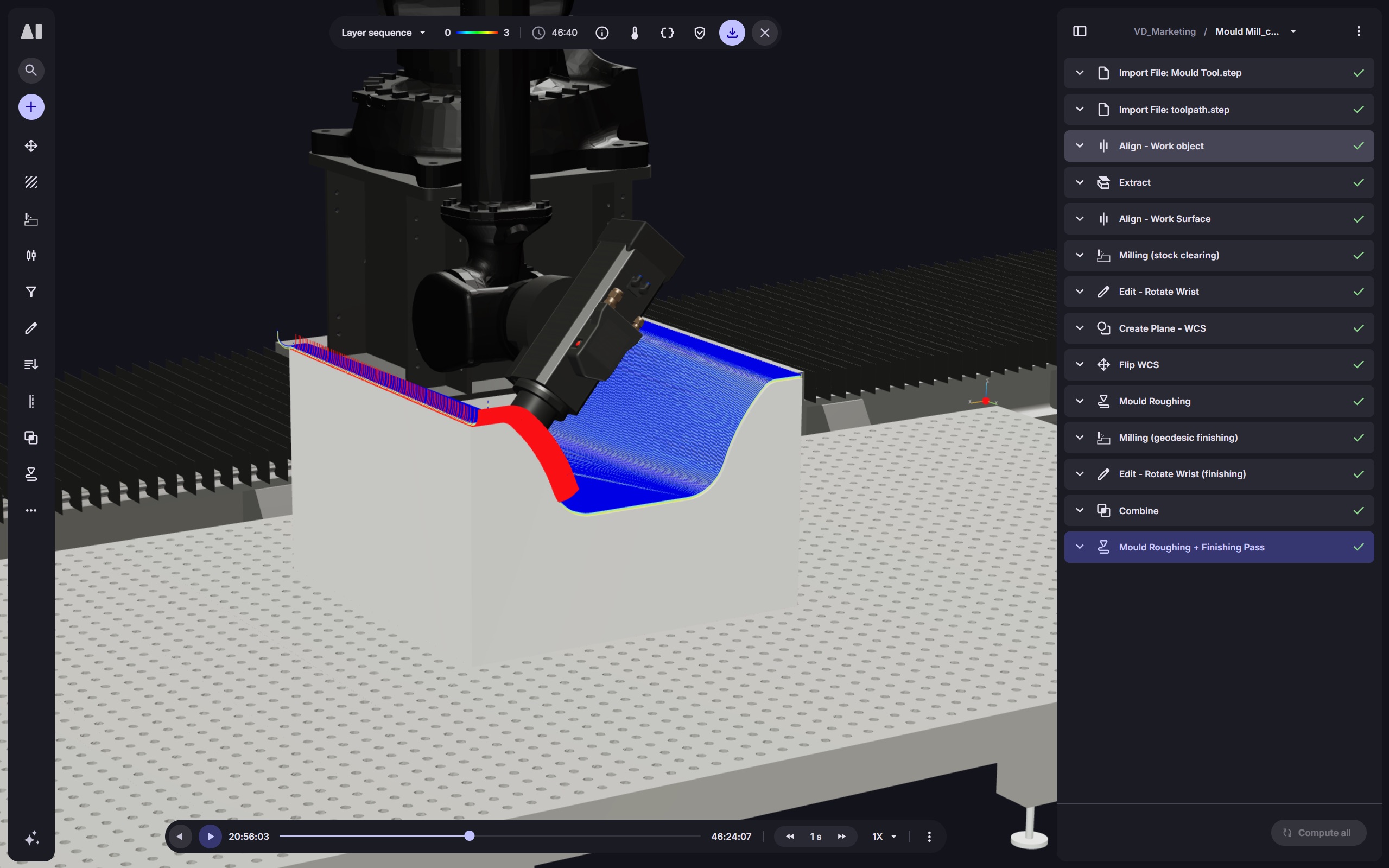
Yes. Aibuild CAM includes milling and drilling strategies made for 3D printed parts, with automatic tool changes between additive and subtractive processes.
Stock clearing, planar finishing, geodesic finishing, 3D contouring and drilling.
It is compatible with a variety of configurations including linear tracks, rotary beds and robots.
Keeping both processes in one platform removes file handoffs between tools, improves material efficiency and shortens lead times.
Tell us about your machine and parts.